Warden and fire extinguiser training
It’s your duty to be prepared. Will your emergency management plan work when it matters?
“Everyone out. Get out now!”
How would your employees react to those words? Would there be a calm, controlled evacuation guided by a well-rehearsed Emergency Management Plan, or confusion and panic with potentially serious consequences?
In an emergency, there is no time to work things out on the fly. The actions taken in the first few minutes can determine whether people get out safely or whether injuries and damage escalate. That is why emergency management planning, supported by proper training, is not optional. It is a fundamental duty of care for every business.
Emergency management is not just for high-risk industries
Businesses located in flood or bushfire-prone areas are expected to have emergency procedures in place. However, no matter what industry you operate in or where your business is located, emergencies can and do happen.
Every employer has a responsibility under WHS legislation to protect workers, contractors and visitors. This includes having an Emergency Management Plan that addresses foreseeable risks and ensures people know exactly what to do when something goes wrong. Too often, emergency planning is treated as a tick-the-box exercise. The document exists, but the training is outdated, the wardens have moved on and no one is confident in their role.
Emergencies do not discriminate by business size either. Whether you employ five people or five hundred, the risks remain.
Real emergencies happen without warning
If you think your workplace is unlikely to experience an emergency, consider recent incidents across Australia.
• Nineteen people were injured when a vehicle crashed into a café in Cairns, sparking a fire that engulfed the building
• A gas bottle was deliberately ignited inside a fast food restaurant in Canberra, causing an explosion and severe injuries
• Nearly 80 workers were evacuated from a Melbourne worksite after drilling ruptured a gas main, forcing surrounding businesses to shut down
These events were unexpected, disruptive and dangerous. None of the businesses involved planned for that exact scenario, but those with effective emergency management systems were far better positioned to respond.
What is an Emergency Management Plan?
An Emergency Management Plan is a written set of instructions that outlines what workers and others at the workplace must do in the event of an emergency.
It should clearly define:
- Emergency evacuation procedures
- Roles and responsibilities, including wardens and chief wardens
- Communication processes during an emergency
- Emergency equipment and its location
- Procedures for assisting visitors and vulnerable persons
- Post-incident actions and reporting
For businesses with more than 15 employees, an Emergency Management Plan is essential. For smaller operations, it is still strongly recommended. Any task or process that poses a safety risk must also be supported by safe operating procedures and appropriate training.
The risk of outdated training
One of the most common issues we see during WHS and emergency management consulting is that plans and training have not kept pace with workplace changes.
When the plan was first written, Jane was the first aider. She left months ago. Dan was the fire warden. He retired. New staff have started, contractors come and go and no one has refreshed their training.
On paper, everything looks fine. In reality, there is a dangerous gap between what the plan says and what would actually happen.
Emergencies usually occur when you least expect them. Failing to plan, or failing to maintain your plan, is planning to fail. In this context, failure can have a very real human cost.
Fire warden and extinguisher training saves lives
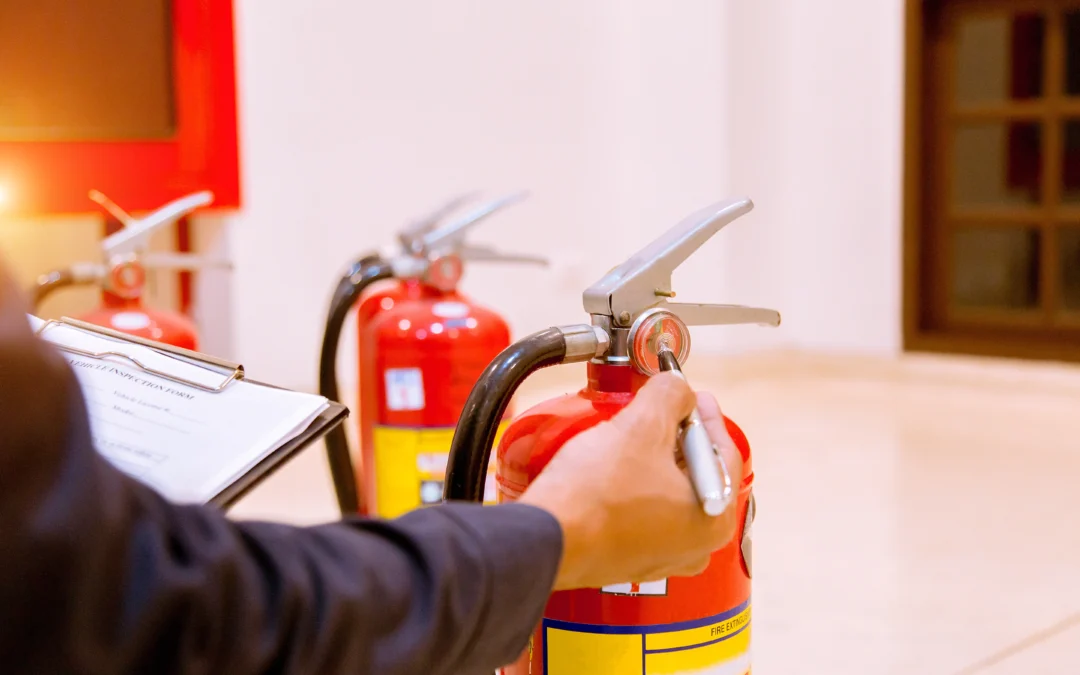
Fire warden training and fire extinguisher training are critical components of effective emergency management. Trained wardens provide leadership during an emergency. They assess the situation, initiate evacuations, communicate clearly and help prevent panic.
Fire extinguisher training gives staff the confidence to respond quickly to small, controllable fires when it is safe to do so, potentially preventing escalation and significant damage.
Training should cover:
- Fire prevention and fire behaviour
- Types of fire extinguishers and their correct use
- When not to fight a fire
- Evacuation procedures and assembly points
- Roles of fire wardens and chief wardens
- Communication and coordination during emergencies
This training should be refreshed regularly and aligned with your Emergency Management Plan.
Emergencies are not limited to fires
A robust Emergency Management Plan considers a wide range of potential scenarios, including:
- Office kitchen fires
- Gas leaks or explosions
- Extreme heat or severe weather events
- Chemical spills or leaks
- Vehicle accidents near or on site
- Electrical hazards
- Suspicious packages
- Hazardous goods discovered on site
Who in your business decides when conditions are too dangerous to continue working? What criteria are they using? Are those decisions documented and understood? Emergency management also extends beyond your premises. Employees working remotely or travelling for work still require clear guidance and procedures.
Induction and ongoing training matters
Emergency management training does not stop once the plan is written. New employees, contractors and visitors must be inducted so they understand evacuation procedures, alarm systems and assembly points. Ongoing training ensures that roles remain clear and confidence remains high.
Regular drills and reviews help identify gaps and reinforce correct behaviour before a real emergency occurs.
How Adelaide Safety Training can help
Adelaide Safety Training provides comprehensive emergency management training and consulting for businesses across metropolitan, regional and remote South Australia.
We assist with:
- Emergency Management Plans and WHS risk assessments
- Fire warden and chief warden training
- Fire extinguisher training
- Emergency management training tailored to your workplace
- Practical, nationally recognised safety training delivered onsite or remotely
Now is the time to review, update and rehearse your Emergency Management Plan, before workloads increase and complacency sets in.
Being prepared is not just best practice. It is your duty.